
How Ayurveda Helps Improve Fertility Naturally
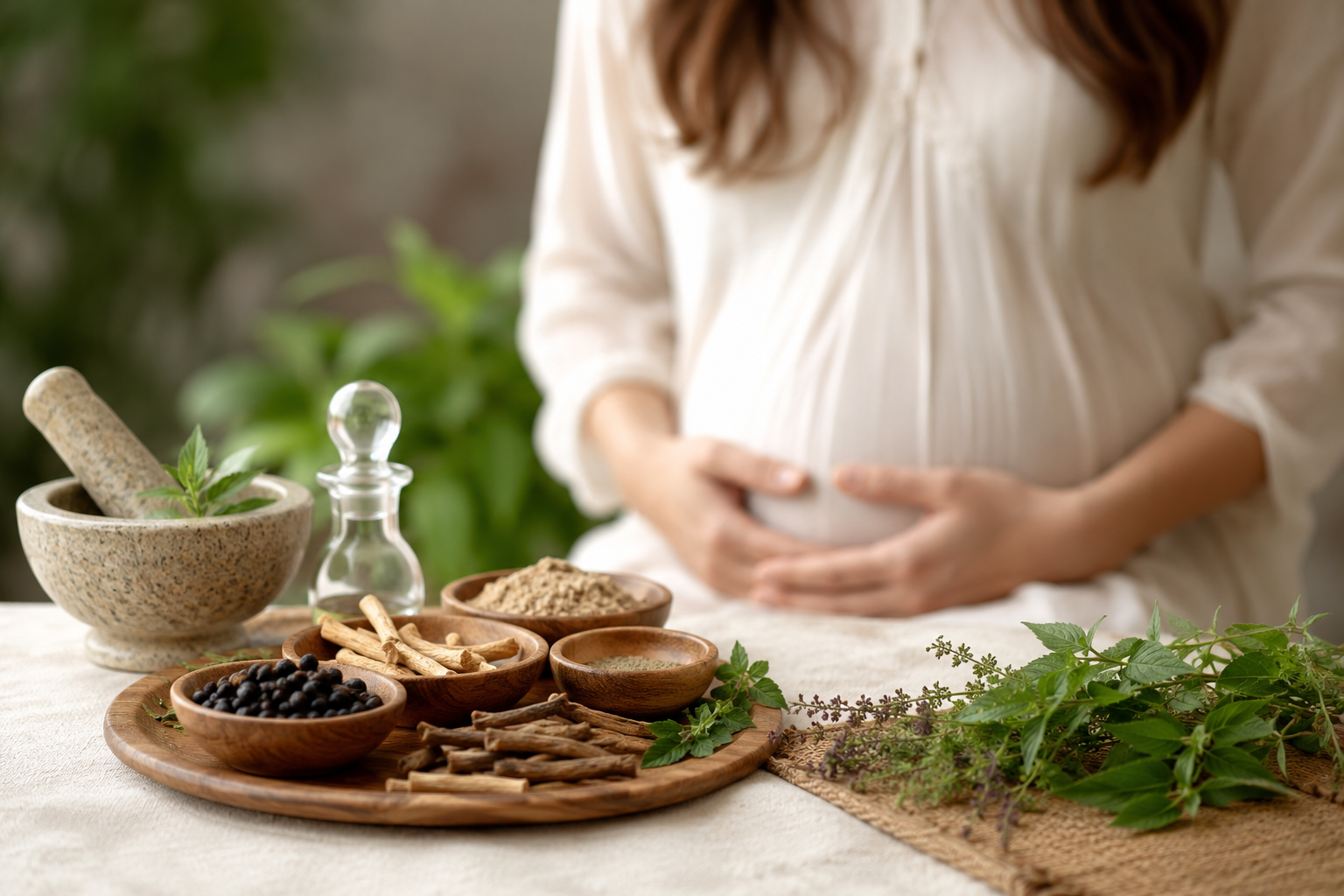
Bringing a new life into the world is a cherished dream for many couples. However, infertility has become increasingly common due to stress, hormonal imbalance, unhealthy lifestyle, delayed marriage, poor diet, environmental toxins, and medical conditions like PCOS and endometriosis.
According to the World Health Organization (WHO), infertility affects approximately 1 in 6 couples globally. While modern medicine offers several treatment options, many couples seek a natural and holistic approach that addresses the root cause rather than simply managing symptoms.
Ayurveda, India's ancient system of medicine, focuses on restoring the body's natural balance to enhance fertility naturally. Rather than treating fertility as an isolated issue, Ayurveda aims to optimize overall health, reproductive function, digestion, mental well-being, and hormonal balance.
Understanding Female Infertility
Female infertility means difficulty in conceiving despite regular unprotected intercourse for:
- 12 months if the woman is under 35 years
- 6 months if she is 35 years or older
Infertility is often multifactorial, involving hormonal, structural, metabolic, or lifestyle-related causes.
Common Causes of Female Infertility
Ovulation Disorders
Irregular or absent ovulation is one of the leading causes of infertility. Common conditions include:
- PCOS (Polycystic Ovary Syndrome)
- Hormonal imbalance
- Premature ovarian insufficiency
- Thyroid disorders
- Hyperprolactinemia
Poor Egg Quality
Increasing maternal age may reduce:
- Egg quality
- Ovarian reserve
- Fertilization potential
Blocked Fallopian Tubes
Tubes may become blocked due to:
- Pelvic infections
- Tuberculosis
- Endometriosis
- Previous surgeries
Endometriosis
Endometriosis can cause:
- Severe pain
- Inflammation
- Adhesions
- Reduced fertility
Uterine Problems
Examples include:
- Fibroids
- Polyps
- Congenital abnormalities
- Thin endometrium
Lifestyle Factors
Modern lifestyle risk factors:
- Obesity
- Underweight
- Smoking
- Alcohol
- Poor sleep
- Chronic stress
- Sedentary lifestyle
Fertility According to Ayurveda
Ayurveda describes successful conception as depending upon four essential factors:
Ritu
Proper timing and healthy ovulation.
Kshetra
A healthy uterus and reproductive tract.
Ambu
Proper nourishment through healthy digestion and circulation.
Beeja
Healthy ovum and sperm.
When any of these factors are disturbed due to imbalance of Vata, Pitta, or Kapha, fertility may decline. Ayurvedic treatment aims to restore these four pillars naturally.
Importance of Preconception Care
Ayurveda strongly recommends preparing the body before pregnancy. Preconception care improves:
- Egg quality
- Hormonal balance
- Ovulation
- Uterine health
- Mental well-being
- Nutritional status
Preparing the body before conception supports a healthier pregnancy and may contribute to better fetal development.
Panchakarma for Fertility
One of Ayurveda's unique strengths is Panchakarma, a detoxification and rejuvenation therapy. Panchakarma helps remove accumulated toxins (Ama), improve metabolism, and restore dosha balance. It is always individualized and should be performed under the supervision of a qualified Ayurvedic physician.
Potential benefits include:
- Improved hormonal balance
- Better ovarian function
- Enhanced uterine receptivity
- Improved digestion and metabolism
- Reduced inflammation
- Better menstrual regularity
- Stress reduction
Common therapies may include:
- Snehana (oleation)
- Swedana (sudation)
- Virechana (therapeutic purgation)
- Basti (medicated enema)
- Uttara Basti (in selected gynecological cases, when clinically appropriate)
The choice of therapy depends on the patient's condition and is not the same for everyone.
Fertility-Enhancing Herbs in Ayurveda
Ayurvedic medicines should always be prescribed based on an individual's constitution (Prakriti), imbalance (Vikriti), and medical condition. Commonly used herbs include:
Shatavari
Asparagus racemosus — traditionally used to support female reproductive health and hormonal balance.
Ashwagandha
Withania somnifera — helps manage stress and supports overall vitality.
Guduchi
Tinospora cordifolia — supports immunity and helps maintain metabolic balance.
Lodhra
Symplocos racemosa — traditionally used in menstrual and uterine health.
Gokshura
Tribulus terrestris — used in reproductive health and urinary wellness.
Phala Ghrita
A classical Ayurvedic medicated ghee traditionally used in fertility care under medical supervision.
Disclaimer: Do not self-medicate. Herbal medicines should be taken only after consultation with a qualified Ayurvedic doctor.
Diet for Better Fertility
A balanced diet plays a vital role in reproductive health. Good digestion (Agni) is essential in Ayurveda because proper nourishment supports healthy reproductive tissues (Shukra Dhatu and Artava).
Fertility Diet
Eat more
- Fresh seasonal fruits
- Green leafy vegetables
- Whole grains
- Moong dal
- Cow's ghee (when appropriate)
- Milk (if suitable)
- Nuts and seeds
- Fresh homemade meals
- Adequate hydration
Avoid
- Processed foods
- Excess sugar
- Deep-fried foods
- Soft drinks
- Excess caffeine
- Smoking and alcohol
Lifestyle Tips to Improve Fertility Naturally
Healthy daily habits can significantly support fertility.
- Maintain a healthy body weight.
- Exercise moderately for 30–45 minutes most days.
- Practice yoga and stretching.
- Include pranayama and meditation to reduce stress.
- Sleep for 7–8 hours every night.
- Eat meals at regular times.
- Avoid excessive screen time before bed.
- Stay physically active.
- Follow your treatment plan consistently.
Stress and Fertility
Chronic stress may influence hormonal regulation and menstrual cycles. Ayurveda addresses both physical and mental health through:
- Meditation
- Yoga
- Pranayama
- Herbal support (when indicated)
- Daily routine (Dinacharya)
- Mindful eating and sleep habits
Reducing stress can help improve overall well-being and support reproductive health.
When Should You Consult an Ayurvedic Fertility Specialist?
Seek evaluation if you have:
Irregular or absent periods
PCOS
Endometriosis
Recurrent miscarriages
Painful periods
Delayed conception
Hormonal imbalance
Thyroid disorders affecting menstrual health
Poor ovarian reserve
Failed attempts to conceive despite regular intercourse
Early assessment can help identify contributing factors and guide appropriate treatment.
Can Ayurveda Be Combined with Modern Fertility Treatment?
Yes. In many cases, Ayurveda may be used alongside conventional fertility care to support overall health, provided both treating physicians are informed and treatment is coordinated. Always discuss any herbal medicines or therapies with your healthcare providers.
Conclusion
Ayurveda offers a comprehensive, individualized approach to fertility by focusing on the root causes rather than symptoms alone. Through personalized treatment, Panchakarma (when appropriate), herbal support, balanced nutrition, stress management, and healthy lifestyle practices, Ayurveda aims to optimize reproductive health and prepare the body for conception.
Every fertility journey is unique. If you have been trying to conceive without success or are planning a healthy pregnancy, consulting a qualified Ayurvedic gynecologist can help you receive a treatment plan tailored to your specific needs.
Frequently Asked Questions
Can Ayurveda help in PCOS-related infertility?
Ayurveda may help support menstrual regularity, metabolic health, and ovulation in women with PCOS through individualized treatment, diet, lifestyle, and appropriate therapies.
How long does Ayurvedic fertility treatment take?
The duration varies depending on the underlying cause, age, overall health, and individual response to treatment.
Is Panchakarma necessary for everyone?
No. Panchakarma is recommended only when indicated after a detailed clinical assessment.
Can I take Ayurvedic herbs on my own?
No. Fertility medicines should be prescribed by a qualified Ayurvedic physician after evaluating your health and medical history.
Does Ayurveda guarantee pregnancy?
No medical system can guarantee pregnancy. Ayurveda aims to improve reproductive health and address underlying factors that may affect fertility, but outcomes vary from person to person.
Have questions?
Speak with Dr. Anita and start your personalized care plan.